As part of our commitment to operating as a responsible business, we are actively playing our part in tackling climate change, transitioning to low-carbon operations and restoring local ecosystems.
By integrating nature-based solutions with infrastructure upgrades, we aim to safeguard our region's drinking water sources and ensure a resilient, sustainable resource for generations to come.
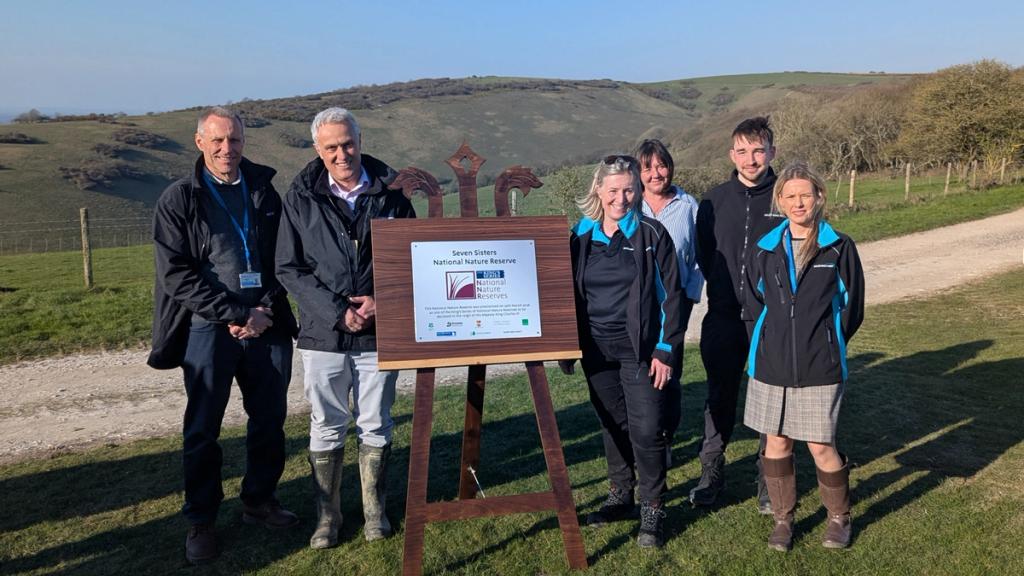
Our recent environmental achievements highlight significant progress on this front, particularly through our involvement with the Seven Sisters National Nature Reserve.
By co-launching the UK’s first Super National Nature Reserve, which is dedicated to protecting ground water quality, we’re securing the water supply for 500,000 Sussex residents through regenerative farming and habitat protection.

Driven by quality and innovation, we are also trialling winter cover cropping in Hampshire’s Woodgarston catchment, investigating River Cuckmere and River Ouse water quality in Sussex, and running a successful farm silt filtration lagoon trial that has proven the effectiveness of biological treatment for agricultural run-off.
To anchor our future resilience, we have partnered with the University of Strathclyde on water-use behaviour pilots, part-funded agricultural rainwater harvesting projects, and launched a Natural Capital framework to help prioritise our upcoming investments.
Our dedication to habitats, rivers, and wildlife is equally evident in our recent river restoration efforts.
We have reinstated 300 meters of meandering channel in the Honeypot Stream, created floodplain scrapes on the Maidenhead Ditch, and removed a River Hart dam to support vital fish spawning.
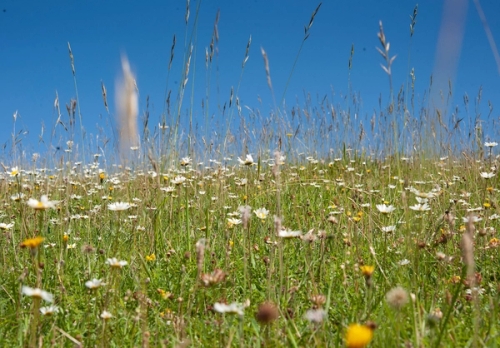
On the species protection front, we are installing an upgraded River Cuckmere elver pass this summer to protect critically endangered eels, and have deployed over 140 artificial nests for swifts and martins. These actions feed into our broader biodiversity net gain goals; including an increase in the company land managed for biodiversity to 77.73 per cent on our way to our 80 per cent target by 2030, and we’ve also finalised plans with the Woodland Trust and RSPB to boost biodiversity units by 43.49. Furthermore, our land strategy now includes developing a dedicated plan to turn nitrate-heavy arable land in Eastbourne and Seaford back into natural scrub and hedgerows.
At the same time, we are rapidly scaling up renewable energy and low-carbon operations. We recently secured a contract with a new wind farm to cover 36 per cent of our annual energy needs, amounting to over 52 million kWh, starting in 2027/28.
Our solar and storage portfolio is also expanding as we progress six solar projects, including a marquee floating solar array at Barcombe Reservoir in Sussex, alongside a permanent pilot battery storage system nearing completion at Ospringe in Kent which will eliminate high-emission diesel generators during grid outages and improve resilience.
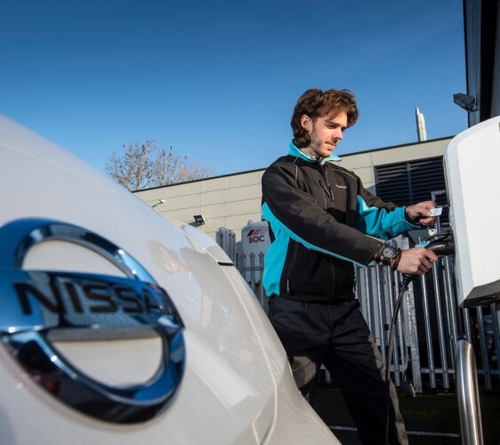
Fleet decarbonisation remains another core focus as we target a 70 per cent fleet emission reduction by 2030. Electric vehicles currently make up six per cent of our commercial fleet, supported by an upcoming infrastructure strategy at our Snodland head office, while our new employee EV salary sacrifice scheme has already seen over 45 vehicles adopted.
Finally, our work continues to closely integrate community efforts, tree planting, and operational compliance.
We planted 18,775 trees in 2025/26, far exceeding our original 5,000 target, which includes 9,086 trees planted via the Trees for the Downs initiative to counter the effects of Ash dieback.
Our team has also leaned into volunteering and biosecurity, partnering with wildlife trusts to clear toxic ragwort at Lullington Heath National Nature Reserve and initiating strict biosecurity protocols across all open reservoirs to monitor invasive aquatic species.
Underlying all of these initiatives is a strong foundation of operational compliance, where we scored 95.16 per cent against the Environment Agency's 93 per cent standard for excavation waste risk assessments, ensuring our waste management remains both compliant and efficient.
Current Reports
Serious pollution incidents
Discharge permit compliance
Operational greenhouse gas emissions
Biodiversity