Climate change and a growing population mean that securing our water resources is now a key priority.
Last year, our region faced the driest spring in over a century, followed by record-breaking summer heatwaves and an unprecedented demand for water. This put extreme pressure on our network, especially in Kent and Sussex, and resulted in Ardingly Reservoir reaching a critically low level. To protect water supplies we had to introduce a temporary hosepipe ban and adapt our licences to refill Ardingly Reservoir. We also reached out to customers, urging them to save water while also increasing our leak repairs.
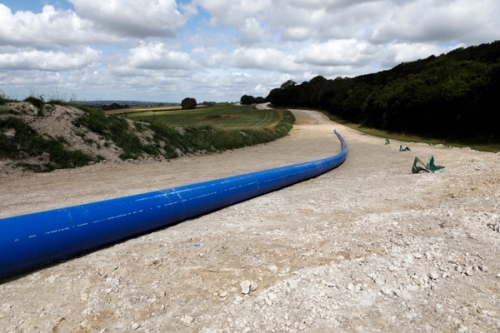
Looking ahead, we are taking direct action to build a much more resilient network. We are currently testing a new 12km pipeline from Bewl to Cottage Hill to secure supplies for areas like Wadhurst, and we are reopening the Forest Row Water Treatment Works to boost the supply in north Sussex by summer 2026.
We have also used the lessons from last year to submit a new draft Drought Plan for 2027. Furthermore, we are in the design phase of building a new reservoir at Broad Oak near Canterbury in Kent. The local community has been heavily involved in this initial design phase through face-to-face events and webinars. Finally, because local councils need more homes than had been originally forecast, we are working closely with environmental and financial regulators to find supply solutions and push for higher water-efficiency standards in new builds.
We know how frustrating leaks are, which is why we spend around £63 million a year tackling them. Extreme weather, like severe winter freeze-thaws followed by hot summers, causes ground movement which results in pipes cracking. To tackle leaks we’ve expanded our team to 400 repair staff and 101 proactive leak-finding technicians. This unprecedented level of investment means we have more people on the ground than ever before.
Our boosted teams have achieved some great results over the past year. We fixed over 12,000 leaks on our network and helped customers fix 6,000 of theirs, which is a ten per cent increase on the previous year. We have also reduced our overall backlog of repair work to its lowest level in three years, and we successfully cut the average time it takes to fix a confirmed leak from nearly 13 days down to just under nine days. We are proud that our repair contractors achieved a customer satisfaction score of 9.26 out of 10. While we are still not quite where we want to be with leakage overall, we are firmly heading in the right direction and are fully committed to halving leakage by 2050.
To deliver the biggest investment and modernisation programme in our history, we are transforming how we work. Our company-wide Lighthouse programme focuses on four pillars: resilient water, customer trust, a high-performing culture, and operational excellence. We are actively introducing smart meters, green energy developments, and upgraded alert systems to better serve our customers, and we have hired two new directors specialising in technology and investment delivery to lead this change.
Our team’s morale is strong, with a recent 90 per cent staff engagement score. We are also proud to be making steady progress on diversity and talent.
Women make up 39 per cent of our workforce, which is well above the water industry average of 33 per cent, and we have improved our gender pay gap by nearly three per cent. Additionally, 29 per cent of our new recruits last year came from ethnically diverse backgrounds. We are equally committed to the next generation, with apprentices making up nearly six per cent of our workforce ahead of a major recruitment drive this autumn. While global conflicts are driving up our daily operational costs for fuel, chemicals, and construction materials, we are managing these pressures closely. Our focus remains on building a diverse, skilled, and modern team ready to secure your water for generations to come.
Further Reading